Momentum matters. But advocacy doesn’t stall because people stop wanting to take part.
It stalls when advocacy isn’t designed to last. It’s a systems problem.
Plan advocacy for post-launch reality, and it will go the distance. Here are a few fundamentals to put in place early on:
Some people create. Some share. Some like, comment, and scroll on.
Successful advocacy initiatives make space for different personalities, not one supposed ideal.
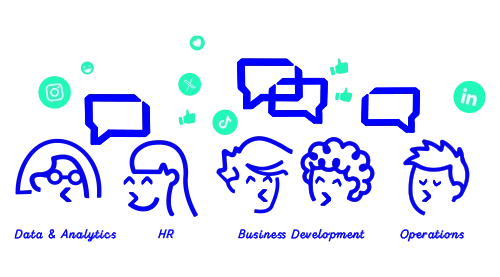
When advocacy only lives in the marketing department, it feels optional.
When other teams are involved, it signals inclusion and gives people permission to participate.
Just as brand guidelines define tone of voice, advocacy needs its own guardrails.
Different teams may need different guidance, but involving team leads early makes alignment and uptake easier.
Advocacy is behavioural change.
For some people, participation is automatic. For others, it requires visible involvement from leaders or peers.
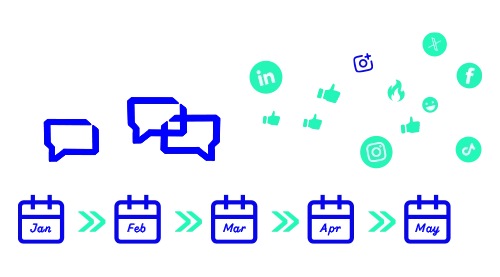
This doesn’t happen on a campaign timeline. Find a cadence that works and let momentum build over months, not weeks.
If every interaction is “please share this”, people will eventually disengage.
Updates, insights, and questions make advocacy feel like participation — not distribution.
Recognition doesn’t need to be big.
A thank you. A mention. Or rewards that turn effort into appreciation.
Show people that their contribution matters.
Advocacy that works isn’t about hype.
It’s designed for busyness and normal operating life.