For senior heads of sales within large insurance or professional services businesses, managing large distributed sales teams and third-party agents has always been challenging.
However, of late, traditional outreach methods such as: cold calling and email campaigns can create inconsistent engagement and limited visibility to both the intended customer, and to pipeline.
Social media has changed the game entirely
Take the insurance sector for example, where trust matters.
Many of us scroll through lists of aggregators to find our next insurance product. We look for the most cost-effective insurance cover. But importantly, we also look for it, from a brand we’ve heard of. Simply put, brands are more trusted.
As customers we want to buy from trusted brands we know. But we also want to buy from credible advisors we know too. The familiar, the informative, the reliable ones that understand their needs.
Social selling empowers advisors and sales agents. It helps people build a reputation and credibility at scale – by using platforms such as: LinkedIn, Facebook, Instagram, and TikTok, consistently.
With SocialKred, insurers and their broker networks can entrust hundreds of third-party agents with brand-safe and compliant content that keeps them visible, and earns them trust across social media channels.
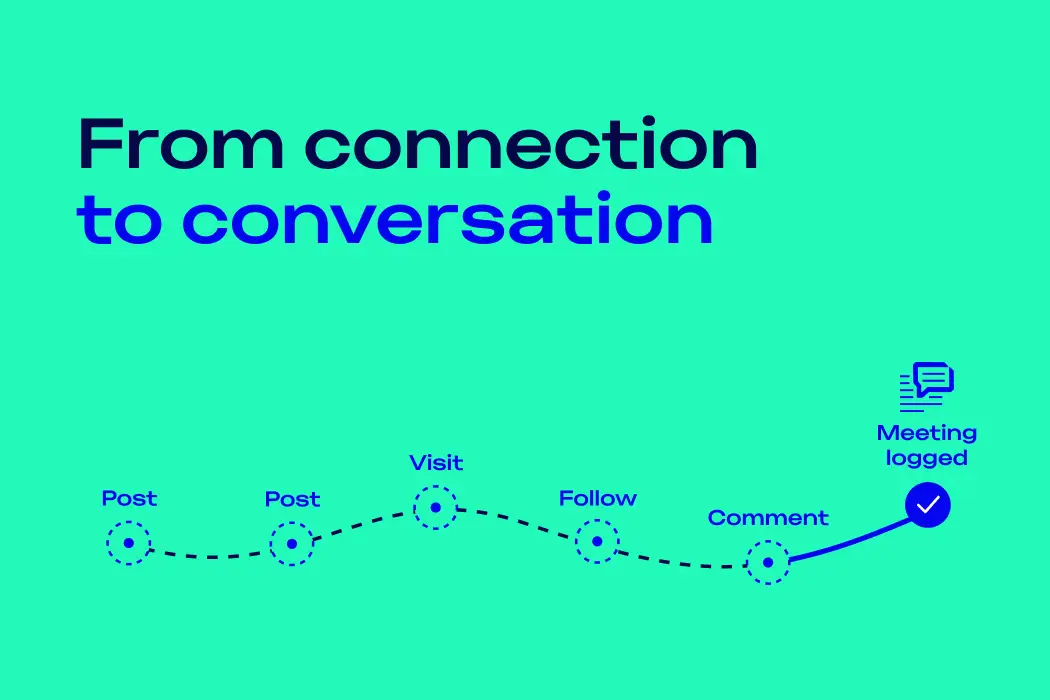
Instead of relying entirely on outbound prospecting, sales executives can attract inbound interest through educational posts, client stories, and industry insights.
And the impact on pipeline performance is significant:
- High-quality leads: prospects engaging through social channels tend to be warmer and generally more informed before the first conversation ensues.
- Improved agent activity (across distributed teams): with Socialkred, you can provide structure and consistency across your distributed, fragmented teams across cities, countries, and languages.
- Better pipeline visibility: senior sales executives can track engagement, see how social posts are performing, and how lead activity across the entire network has been impacted.
- Stronger customer trust: social presence humanises agents, it gives them a voice, and strengthens their personal credibility.
- Scalable growth: Instead of depending on a handful of top performers, organisations can lift the performance of the entire agent ecosystem – one hand feeds the other, with everybody learning from one another.
Finally, and arguably of greater importance to many sales teams, SocialKred’s technology can work independently of the marketing team.
With a focus on running their own social selling programmes, sales teams can build their own networks, more geared and tuned-in to the speed and directness of a sales environment. Perfect for insurance businesses that run large distributed sales teams.
Social selling isn’t just a marketing tactic; it’s a pipeline, it’s leads, it’s revenue.
So, where are the competitive advantages of an aggregated sales team of brokers versus the aggregator consumer path?
Human advice is needed for complex purchasing decisions
Aggregators work well for simple products.
While aggregators play an important part in the decision-making process for customers, they aren’t a substitute for genuine human advice. Aggregators work well for simple products or services, but they’re less effective for products requiring explanation and consultation such as:
- Income protection
- Business insurance
- Specialist commercial policies
- High-net-worth insurance
Skilled sales agents can inform, educate and build trust with customers across social media channels.
After establishing credibility, they can then recommend appropriate cover rather than competing solely on price, which is the denizen of the aggregators.
Then there is quality.
Aggregators often do little more than encourage consumers to choose the cheapest option, from a known brand. Sales executives that communicate effectively across social media, can instead focus more deeply on insights such as coverage quality, policy features, claims service, financial security and more nuanced content and thought leadership.
They can also take advantage of:
- Local market knowledge
- A community presence
- Existing referral networks
Aggregators play an important part in the insurance ecosystem. But smart sales-driven businesses and their network of agents are increasingly adopting social selling to build relationships and trust, appealing to both heads and hearts.